


ΝΕΑ
Halloween: Από τις αρχαίες κέλτικες παραδόσεις στη σύγχρονη ελληνική πραγματικότητα
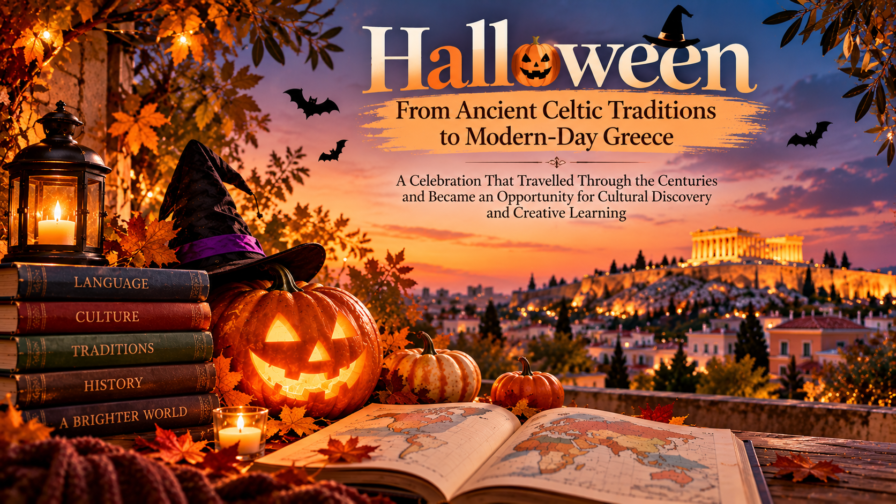
Halloween: Από τις αρχαίες κέλτικες παραδόσεις στη σύγχρονη ελληνική πραγματικότητα
Μια γιορτή που ταξίδεψε μέσα στους αιώνες και έγινε μια ευκαιρία πολιτισμικής γνωριμίας και δημιουργικής μάθησης
Γράφει η Δέσποινα Γριβάκη
Director of Studies & Owner – D. Grivaki Language Center
Κάθε χρόνο, στις 31 Οκτωβρίου, κολοκύθες φωτίζονται, παιδιά μεταμφιέζονται, μάγισσες και φαντάσματα κάνουν την εμφάνισή τους και η φράση «Trick or Treat?» ακούγεται σε πολλές γωνιές του κόσμου.
Το Halloween, μια γιορτή που κάποτε ήταν σχεδόν άγνωστη στην Ελλάδα, έχει πλέον αποκτήσει τη δική του θέση στη σύγχρονη ελληνική κοινωνία. Πόσοι όμως γνωρίζουν πραγματικά τις ρίζες του; Πώς ξεκίνησε, πώς εξελίχθηκε και, κυρίως, πώς έφτασε να γιορτάζεται και στη χώρα μας;
Η ιστορία του Halloween είναι πολύ πιο ενδιαφέρουσα από τις τρομακτικές στολές και τις πορτοκαλί κολοκύθες. Είναι μια ιστορία πολιτισμών, παραδόσεων, μετακινήσεων πληθυσμών και πολιτισμικών ανταλλαγών.
Οι αρχαίες ρίζες του Halloween
Οι απαρχές του Halloween συνδέονται με την αρχαία κέλτικη γιορτή Samhain (προφέρεται περίπου «Σάουιν»), η οποία σηματοδοτούσε το τέλος της συγκομιδής και την έναρξη της σκοτεινής περιόδου του χειμώνα.
Για τους αρχαίους Κέλτες, ιδιαίτερα στην Ιρλανδία και σε άλλες περιοχές της βορειοδυτικής Ευρώπης, αυτή η εποχή αποτελούσε ένα σημαντικό πέρασμα από το φως στο σκοτάδι, από τη ζωντάνια του καλοκαιριού στη σιωπή του χειμώνα.
Σύμφωνα με παραδοσιακές δοξασίες, η περίοδος αυτή συνδεόταν με τη δυνατότητα επικοινωνίας ανάμεσα στον κόσμο των ζωντανών και στον κόσμο των πνευμάτων.
Οι φωτιές, οι μεταμφιέσεις και οι τελετουργικές συγκεντρώσεις αποτελούσαν μέρος αυτών των παραδόσεων, αν και δεν μπορούμε να θεωρήσουμε ότι όλα τα σημερινά έθιμα του Halloween προέρχονται απευθείας από εκείνη την εποχή.
Με την εξάπλωση του Χριστιανισμού, η γιορτή απέκτησε νέους συμβολισμούς. Η 1η Νοεμβρίου καθιερώθηκε στη δυτική χριστιανική παράδοση ως ημέρα των Αγίων Πάντων (All Saints' Day), ενώ η προηγούμενη βραδιά ονομάστηκε All Hallows' Eve. Από αυτή την ονομασία προέκυψε σταδιακά η λέξη Halloween.
Έτσι, μέσα στους αιώνες, παλαιότερα λαϊκά έθιμα και χριστιανικές παραδόσεις συνυπήρξαν και μετασχηματίστηκαν.
Από την Ιρλανδία στην Αμερική: Η γέννηση του σύγχρονου Halloween
Το Halloween απέκτησε τη σημερινή του μορφή κυρίως στις Ηνωμένες Πολιτείες.
Κατά τον 19ο αιώνα, μεγάλα μεταναστευτικά κύματα από την Ιρλανδία και τη Σκωτία μετέφεραν στην Αμερική τις παραδόσεις τους. Εκεί, τα παλαιότερα έθιμα συνδυάστηκαν με νέες συνήθειες και σταδιακά εξελίχθηκαν σε μια δημοφιλή κοινωνική γιορτή.
Ένα από τα πιο χαρακτηριστικά σύμβολα, η φωτισμένη κολοκύθα ή Jack-o'-lantern, συνδέεται με ιρλανδικές λαϊκές ιστορίες. Αρχικά, σε περιοχές της Ιρλανδίας και της Βρετανίας σκάλιζαν γογγύλια και άλλα ριζώδη λαχανικά. Στην Αμερική, οι κολοκύθες αποδείχθηκαν μεγαλύτερες, πιο εύχρηστες και καταλληλότερες για το συγκεκριμένο έθιμο.
Το γνωστό «Trick or Treat», κατά το οποίο τα παιδιά επισκέπτονται σπίτια ζητώντας γλυκίσματα, διαμορφώθηκε ως ευρέως διαδεδομένη πρακτική στη Βόρεια Αμερική κυρίως κατά τον 20ό αιώνα.
Ο κινηματογράφος, η τηλεόραση, η μουσική και αργότερα το διαδίκτυο συνέβαλαν καθοριστικά στη διεθνή εξάπλωση της γιορτής.
Πώς καθιερώθηκε το Halloween στην Ελλάδα;
Στην Ελλάδα, το Halloween δεν αποτελεί παραδοσιακή ελληνική γιορτή, ούτε έχει καθιερωθεί ως επίσημη αργία.
Η παρουσία του άρχισε να γίνεται περισσότερο αισθητή μέσα από την επαφή με τον αγγλόφωνο κόσμο, τις ξένες ταινίες, τις τηλεοπτικές σειρές, τα διεθνή σχολεία και, ιδιαίτερα, την εκμάθηση της αγγλικής γλώσσας.
Από τις αρχές του 21ου αιώνα και ακόμη περισσότερο με την εξάπλωση των κοινωνικών δικτύων, η γιορτή απέκτησε μεγαλύτερη αναγνωρισιμότητα.
Καταστήματα, χώροι ψυχαγωγίας, εκπαιδευτικοί οργανισμοί και οικογένειες άρχισαν να υιοθετούν ορισμένα από τα χαρακτηριστικά της, κυρίως τις μεταμφιέσεις, τις θεματικές διακοσμήσεις και τις δημιουργικές δραστηριότητες.
Δεν υπήρξε, επομένως, μία συγκεκριμένη ημερομηνία κατά την οποία το Halloween «καθιερώθηκε» στην Ελλάδα. Πρόκειται για μια σταδιακή πολιτισμική διάδοση, η οποία συνεχίζεται μέχρι σήμερα.
Αξίζει, ωστόσο, να διευκρινίσουμε κάτι σημαντικό: Το Halloween δεν είναι οι ελληνικές Απόκριες.
Παρότι και οι δύο γιορτές περιλαμβάνουν μεταμφιέσεις, έχουν διαφορετική ιστορική προέλευση, διαφορετικό συμβολισμό και διαφορετική θέση στο εορτολόγιο.
Οι ελληνικές Απόκριες αποτελούν μέρος μιας μακρόχρονης εγχώριας παράδοσης, συνδεδεμένης με την περίοδο πριν από τη Σαρακοστή. Το Halloween, αντίθετα, έχει τις δικές του ρίζες στις παραδόσεις του αγγλόφωνου κόσμου.
Η γνωριμία με τη μία γιορτή δεν χρειάζεται να λειτουργεί ανταγωνιστικά προς την άλλη.
Halloween και εκπαίδευση: Όταν η γλώσσα γίνεται γέφυρα πολιτισμών
Ως εκπαιδευτικός και ιδιοκτήτρια του D. Grivaki Language Center, πιστεύω βαθιά ότι η εκμάθηση μιας ξένης γλώσσας δεν περιορίζεται στην απομνημόνευση λεξιλογίου και γραμματικών κανόνων.
Μαθαίνω μια γλώσσα σημαίνει γνωρίζω τον πολιτισμό της, κατανοώ τις παραδόσεις της και ανακαλύπτω διαφορετικούς τρόπους με τους οποίους οι άνθρωποι αντιλαμβάνονται τον κόσμο.
Το Halloween αποτελεί ένα εξαιρετικό παράδειγμα αυτής της εκπαιδευτικής φιλοσοφίας.
Μέσα από θεματικές δραστηριότητες, αφηγήσεις, παιχνίδια ρόλων, δημιουργικές κατασκευές, γλωσσικούς γρίφους και ομαδικές αποστολές, οι μαθητές έρχονται σε επαφή με αυθεντικά στοιχεία της αγγλόφωνης κουλτούρας.
Παράλληλα, καλλιεργούν σημαντικές δεξιότητες: τη συνεργασία, τη δημιουργικότητα, την κριτική σκέψη, την επικοινωνία και την αυτοπεποίθηση.
Στο D. Grivaki Language Center αντιμετωπίζουμε τέτοιες γιορτές ως ευκαιρίες βιωματικής μάθησης. Δεν μας ενδιαφέρει απλώς να φορέσουν τα παιδιά μια στολή ή να διασκεδάσουν για λίγες ώρες.
Μας ενδιαφέρει να ανακαλύψουν τι κρύβεται πίσω από ένα έθιμο, να χρησιμοποιήσουν τη γλώσσα σε πραγματικές συνθήκες επικοινωνίας και να συνδέσουν τη γνώση με μια ευχάριστη εμπειρία.
Γιατί η μάθηση γίνεται ουσιαστικότερη όταν συνοδεύεται από συναίσθημα, περιέργεια και ενεργή συμμετοχή.
Πρέπει να γιορτάζουμε το Halloween στην Ελλάδα;
Το ερώτημα αυτό επανέρχεται συχνά, ιδιαίτερα τα τελευταία χρόνια.
Κάποιοι αντιμετωπίζουν το Halloween ως μια ξενόφερτη συνήθεια χωρίς θέση στην ελληνική παράδοση. Άλλοι το βλέπουν ως μια αθώα ευκαιρία για διασκέδαση, δημιουργικότητα και κοινωνική επαφή.
Προσωπικά, θεωρώ ότι το ουσιαστικό ερώτημα δεν είναι εάν πρέπει να υιοθετούμε κάθε ξένο έθιμο, αλλά πώς μπορούμε να γνωρίζουμε διαφορετικούς πολιτισμούς χωρίς να χάνουμε τη δική μας πολιτισμική ταυτότητα.
Η πολιτισμική εξωστρέφεια δεν συνεπάγεται εγκατάλειψη των παραδόσεών μας.
Αντίθετα, η γνωριμία με άλλους πολιτισμούς μπορεί να μας βοηθήσει να κατανοήσουμε και να εκτιμήσουμε βαθύτερα τον δικό μας.
Ένα παιδί που γνωρίζει την ιστορία του Halloween μπορεί παράλληλα να μάθει περισσότερα για τις ελληνικές Απόκριες, να συγκρίνει έθιμα, να εντοπίσει ομοιότητες και διαφορές και να αντιληφθεί ότι κάθε λαός εκφράζει με τον δικό του τρόπο τις ανθρώπινες ανάγκες για γιορτή, συμβολισμό και συλλογικότητα.
Αυτή ακριβώς είναι η αξία της διαπολιτισμικής εκπαίδευσης.
Πέρα από τις κολοκύθες και τις μεταμφιέσεις
Ζούμε σε έναν κόσμο όπου οι πολιτισμοί συναντιούνται καθημερινά. Οι νέες γενιές μεγαλώνουν μέσα σε ένα περιβάλλον διαρκούς επικοινωνίας, διεθνών επιρροών και πολυγλωσσίας.
Ο ρόλος της σύγχρονης εκπαίδευσης δεν είναι να δημιουργεί στεγανά, αλλά να προσφέρει στα παιδιά τα εφόδια για να κατανοούν, να αξιολογούν και να σέβονται τη διαφορετικότητα.
Το Halloween, λοιπόν, μπορεί να είναι μια γιορτή με κολοκύθες, μάγισσες και φαντάσματα. Μπορεί όμως να αποτελέσει και κάτι πολύ περισσότερο: μια αφορμή να μιλήσουμε για την ιστορία, τη γλώσσα, τη μετανάστευση, τις παραδόσεις και τη διαρκή εξέλιξη των πολιτισμών.
Και ίσως αυτό να είναι το σημαντικότερο μήνυμα που μπορούμε να μεταδώσουμε στους μαθητές μας:
Δεν χρειάζεται να ανήκουμε σε έναν πολιτισμό για να τον γνωρίσουμε, να τον κατανοήσουμε και να τον σεβαστούμε.
Γιατί η πραγματική παιδεία δεν περιορίζεται στα σύνορα μιας χώρας ή στις λέξεις μιας γλώσσας.
Η πραγματική παιδεία ανοίγει ορίζοντες.
Και κάθε νέα γλώσσα, κάθε διαφορετική παράδοση και κάθε πολιτισμική εμπειρία είναι μια ακόμη πόρτα προς τον κόσμο.
Δέσποινα Γριβάκη
Director of Studies & Owner
D. Grivaki Language Center
Ηράκλειο Κρήτης | Από το
2005
Η γλώσσα είναι το μέσο. Ο πολιτισμός είναι το ταξίδι.
Halloween: From Ancient Celtic Traditions to Modern-Day Greece
A Celebration That Travelled Through the Centuries and Became an Opportunity for Cultural Discovery and Creative Learning
By Despina Grivaki
Director of Studies & Owner – D. Grivaki Language Center
Every year, on October 31st, pumpkins light up, children dress in costumes, witches and ghosts make their appearance, and the familiar phrase “Trick or Treat?” echoes through neighbourhoods around the world.
Halloween, a celebration that was once almost unknown in Greece, has gradually found its place in modern Greek society. But how many people truly know its origins? Where did it begin, how did it evolve, and, most importantly, how did it become increasingly popular in our country?
The story of Halloween is far more fascinating than frightening costumes and glowing orange pumpkins. It is a story of civilisations, traditions, migration and cultural exchange.
The Ancient Roots of Halloween
The origins of Halloween are closely associated with the ancient Celtic festival of Samhain (pronounced approximately “Sow-in”), which marked the end of the harvest season and the beginning of the darker winter months.
For the ancient Celts, particularly in Ireland and other parts of northwestern Europe, this time of year represented an important transition from light to darkness, from the vitality of summer to the stillness of winter.
According to traditional beliefs, this period was associated with a time when the boundary between the world of the living and the world of spirits became less distinct.
Bonfires, disguises and ceremonial gatherings formed part of these traditions, although not every modern Halloween custom can be traced directly back to ancient Celtic practices.
With the spread of Christianity, the celebration gradually acquired new meanings. November 1st became associated with All Saints' Day in the Western Christian tradition, while the preceding evening was known as All Hallows' Eve. Over time, this expression evolved into the word Halloween.
Thus, throughout the centuries, ancient folk customs and Christian traditions interacted, coexisted and gradually transformed into new cultural practices.
From Ireland to America: The Birth of Modern Halloween
Halloween developed much of its modern identity in the United States.
During the nineteenth century, large waves of Irish and Scottish immigrants brought their traditions to America. There, older customs blended with new social practices and gradually developed into a widely celebrated occasion.
One of Halloween's most recognisable symbols, the illuminated pumpkin or Jack-o'-lantern, has its origins in Irish folklore.
Originally, people in parts of Ireland and Britain carved turnips and other root vegetables. In America, pumpkins proved larger, easier to carve and more suitable for the tradition.
The familiar custom of “Trick or Treat”, in which children visit houses asking for sweets, became widespread in North America primarily during the twentieth century.
Cinema, television, popular music and, more recently, the internet played a decisive role in spreading Halloween beyond the English-speaking world.
Today, Halloween is celebrated in many countries, often with local adaptations that reflect different cultural identities.
How Did Halloween Become Popular in Greece?
In Greece, Halloween is neither a traditional Greek celebration nor an officially recognised public holiday.
Its growing presence is largely connected to Greece's increasing contact with English-speaking cultures through films, television series, international education and, importantly, foreign language learning.
From the beginning of the twenty-first century, and particularly with the rapid growth of social media, Halloween became increasingly familiar to Greek audiences.
Shops, entertainment venues, educational institutions and families gradually began incorporating elements of the celebration, especially costumes, themed decorations, parties and creative activities.
There was, therefore, no single moment when Halloween was officially established in Greece. Its popularity developed gradually through cultural exchange and global communication, a process that continues today.
However, an important distinction must be made: Halloween is not the same as the Greek Carnival, known as Apokries.
Although both celebrations involve costumes and festive activities, they have different historical origins, meanings and positions within the cultural calendar.
Greek Carnival is deeply rooted in local traditions and is associated with the period preceding Lent. Halloween, on the other hand, developed through the historical and cultural traditions of the English-speaking world.
Learning about one celebration does not mean replacing or diminishing the other.
Halloween and Education: When Language Becomes a Bridge Between Cultures
As an educator and the owner of D. Grivaki Language Center, I firmly believe that learning a foreign language involves much more than memorising vocabulary and mastering grammatical structures.
Learning a language means discovering its culture, understanding its traditions and exploring the different ways people perceive and experience the world.
Halloween provides an excellent example of this educational philosophy.
Through themed activities, storytelling, role-playing, creative projects, language puzzles and collaborative challenges, students have the opportunity to experience authentic aspects of English-speaking cultures.
At the same time, they develop essential skills such as teamwork, creativity, critical thinking, communication and self-confidence.
At D. Grivaki Language Center, we approach celebrations like Halloween as valuable opportunities for experiential learning.
Our aim is not simply to encourage children to wear costumes or enjoy a few hours of entertainment.
We want our students to discover the stories behind cultural traditions, use English in meaningful communicative situations and associate learning with positive, memorable experiences.
Because learning becomes more meaningful when it is connected to emotion, curiosity and active participation.
Should Halloween Be Celebrated in Greece?
This question has become increasingly common in recent years.
Some people regard Halloween as an imported custom with little connection to Greek cultural heritage. Others see it as an enjoyable opportunity for creativity, entertainment and social interaction.
Personally, I believe that the most important question is not whether we should adopt every foreign tradition, but rather how we can explore different cultures without losing our own cultural identity.
Cultural openness does not mean abandoning our traditions.
On the contrary, becoming familiar with other cultures can help us develop a deeper understanding and appreciation of our own.
A child who learns about Halloween can also explore the history of Greek Carnival, compare customs, identify similarities and differences, and understand that societies express universal human needs for celebration, symbolism and community in different ways.
This is precisely the value of intercultural education.
Education should not encourage children to see cultural differences as barriers. It should teach them to approach those differences with knowledge, curiosity and respect.
Beyond Pumpkins and Costumes
We live in a world where cultures interact every day. Younger generations are growing up in an environment shaped by international communication, cultural influences and multilingualism.
The role of modern education is not to create boundaries, but to equip children with the knowledge and skills to understand, evaluate and respect diversity.
Halloween may be a celebration filled with pumpkins, witches and ghosts. Yet it can also become something far more meaningful: an opportunity to discuss history, language, migration, traditions and the continuous evolution of cultures.
And perhaps this is the most important message we can share with our students:
We do not have to belong to a particular culture in order to learn about it, understand it and respect it.
Because true education is not limited by national borders or the vocabulary of a single language.
True education broadens horizons.
Every new language, every different tradition and every cultural experience opens another door to the world.
And ultimately, that is what education should be about: not simply teaching students how to speak another language, but helping them become confident, open-minded and culturally aware citizens of the world.
Despina Grivaki
Director of Studies & Owner
D. Grivaki Language Center
Heraklion, Crete | Established in 2005
Language is the means. Culture is the journey.